Topic Explorer
#Coding
Explore conversations and public media shared under this topic.
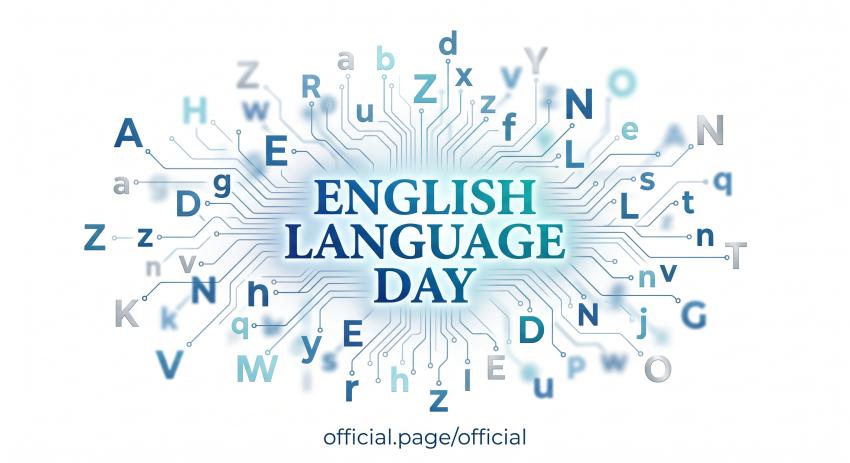
The Syntax of Innovation: Celebrating English Language Day 🌐🚀
Happy English Language Day!
Today, we celebrate more than just words; we celebrate the framework of the digital age. English has transcended its origins to become a global bridge, powering the world of AI, Machine Learning, and Software Development.
From the first lines of code to the complex algorithms that define our present, the English language has provided the 26 letters that built the internet and unlocked a new era of global communication. It is the language that allows a developer in Tokyo, a researcher in India, and an entrepreneur in London to build the future together on a single screen.
Join us in honoring the diversity, the history, and the incredible technological contribution of the English language.
#EnglishLanguageDay #UN #CodingTheFuture #DigitalTransformation #MachineLearning
Happy English Language Day!
Today, we celebrate more than just words; we celebrate the framework of the digital age. English has transcended its origins to become a global bridge, powering the world of AI, Machine Learning, and Software Development.
From the first lines of code to the complex algorithms that define our present, the English language has provided the 26 letters that built the internet and unlocked a new era of global communication. It is the language that allows a developer in Tokyo, a researcher in India, and an entrepreneur in London to build the future together on a single screen.
Join us in honoring the diversity, the history, and the incredible technological contribution of the English language.
#EnglishLanguageDay #UN #CodingTheFuture #DigitalTransformation #MachineLearning
🚀 The Logic Revolution Begins: Welcome to YantropediA
Hello World! 🌐
We are thrilled to mark our digital footprint here with our official handle! The vision: Yantropedia is more than just a coding space; it is a place where we decode the complexity of the digital world through the lens of pure logic.
As our tagline says: "Where logic connects the dots."
We are building an environment for:
Students who want to master the 'Why' behind the 'How' of coding.
Teachers who are passionate about shaping the next generation of logical thinkers.
Developers & Co-founders looking to collaborate on the ultimate online learning infrastructure.
What’s coming?
We are currently finalizing our first batch and a specialized online tool designed to make learning intuitive and high-impact.
Join the Journey:
Whether you are here to learn, teach, or build—you are at the right place.
✨ New Batch Launching Soon.
Stay tuned for more updates on our curriculum and enrollment.
Contact us: official.link/yantropedia
Explore more: yantropedia.com
#Yantropedia #LogicConnects #CodingFuture #EdTech #Innovation
Hello World! 🌐
We are thrilled to mark our digital footprint here with our official handle! The vision: Yantropedia is more than just a coding space; it is a place where we decode the complexity of the digital world through the lens of pure logic.
As our tagline says: "Where logic connects the dots."
We are building an environment for:
Students who want to master the 'Why' behind the 'How' of coding.
Teachers who are passionate about shaping the next generation of logical thinkers.
Developers & Co-founders looking to collaborate on the ultimate online learning infrastructure.
What’s coming?
We are currently finalizing our first batch and a specialized online tool designed to make learning intuitive and high-impact.
Join the Journey:
Whether you are here to learn, teach, or build—you are at the right place.
✨ New Batch Launching Soon.
Stay tuned for more updates on our curriculum and enrollment.
Contact us: official.link/yantropedia
Explore more: yantropedia.com
#Yantropedia #LogicConnects #CodingFuture #EdTech #Innovation

Coding with AI isn't just fun anymore—it's a real-world, live experience.
AI is transforming how we build, debug, and innovate.It's not about making a task easier; it's about seeing ideas come to life faster and more effectively than ever before. This is what the future of development looks like.What's your experience been like so far? Let me know in the comments.
#Coding #WithAi
AI is transforming how we build, debug, and innovate.It's not about making a task easier; it's about seeing ideas come to life faster and more effectively than ever before. This is what the future of development looks like.What's your experience been like so far? Let me know in the comments.
#Coding #WithAi
How to learn code from scratch?
Learning to Code from ScratchHow to Learn Coding from Scratch Understand the Basics: Start with fundamentals like variables, loops, conditionals, and functions. No language needed yet—just focus on logic. - Try CS50’s Introduction to Computer Science or Khan Academy’s Intro to Programming. Pick a Language: Choose one based on your goals (see below). Stick with it to build a foundation. Start Small: Write simple programs like a calculator or to-do list. Use: - Codecademy (hands-on coding) - freeCodeCamp (project-based learning) - LeetCode or HackerRank (problem-solving practice) Build Projects: Apply your skills with real stuff. Start with guided projects (e.g., a weather app) and tweak them. Learn Version Control: Get familiar with Git and GitHub—key for collaboration and showcasing work. Join a Community: Connect on Reddit’s r/learnprogramming, Stack Overflow, or Discord coding groups. Practice Daily: Even 30 minutes a day works. Aim for 3-6 months for basics, 1-2 years to feel confident.Best Language for Trending Demands (March 2025)The "best" depends on your goals, but here are top picks:1. Python Why: Beginner-friendly, versatile, big in AI, machine learning, data science, and web dev. Huge demand in 2025. Timeframe: Useful scripts in 1-3 months; mastery (e.g., AI jobs) in 1-2 years. Use Case: Data analysis, automation, AI models.2. JavaScriptWhy: King of web dev. With React and Node.js, you can build full-stack apps. Hot for Web3 and interactive sites. Timeframe: Basics in 2-4 months; web apps in 6-12 months. Use Case: Websites, web apps, front-end/back-end dev.3. RustWhy: Growing for performance-critical systems (blockchain, gaming). Not beginner-friendly, but trending. Timeframe: Basics in 3-6 months; proficiency in 1-2 years. Use Case: Systems programming, high-performance apps.4. Go (Golang)Why: Simple, powerful, big in cloud computing and microservices (Docker, Kubernetes). Timeframe: Basics in 2-3 months; solid skills in 6-12 months. Use Case: Backend dev, cloud infrastructure.RecommendationIf you’re new and want something trending and easy, go with Python. It’s simple, has a huge community, and opens doors to AI and web dev—booming in 2025. You’ll write useful code in months and tackle big projects in a year.Quick Timeline 1-3 months: Learn syntax, solve small problems. 3-6 months: Build simple projects (e.g., chatbot, portfolio site). 6-12 months: Tackle intermediate projects, apply for entry-level gigs or freelancing.What do you think—any area (like web or AI) you’re leaning toward? I can tailor this more if you’ve got a direction!Answered By: Grok AI
#LearnCoding #Grok #Coding
Learning to Code from ScratchHow to Learn Coding from Scratch Understand the Basics: Start with fundamentals like variables, loops, conditionals, and functions. No language needed yet—just focus on logic. - Try CS50’s Introduction to Computer Science or Khan Academy’s Intro to Programming. Pick a Language: Choose one based on your goals (see below). Stick with it to build a foundation. Start Small: Write simple programs like a calculator or to-do list. Use: - Codecademy (hands-on coding) - freeCodeCamp (project-based learning) - LeetCode or HackerRank (problem-solving practice) Build Projects: Apply your skills with real stuff. Start with guided projects (e.g., a weather app) and tweak them. Learn Version Control: Get familiar with Git and GitHub—key for collaboration and showcasing work. Join a Community: Connect on Reddit’s r/learnprogramming, Stack Overflow, or Discord coding groups. Practice Daily: Even 30 minutes a day works. Aim for 3-6 months for basics, 1-2 years to feel confident.Best Language for Trending Demands (March 2025)The "best" depends on your goals, but here are top picks:1. Python Why: Beginner-friendly, versatile, big in AI, machine learning, data science, and web dev. Huge demand in 2025. Timeframe: Useful scripts in 1-3 months; mastery (e.g., AI jobs) in 1-2 years. Use Case: Data analysis, automation, AI models.2. JavaScriptWhy: King of web dev. With React and Node.js, you can build full-stack apps. Hot for Web3 and interactive sites. Timeframe: Basics in 2-4 months; web apps in 6-12 months. Use Case: Websites, web apps, front-end/back-end dev.3. RustWhy: Growing for performance-critical systems (blockchain, gaming). Not beginner-friendly, but trending. Timeframe: Basics in 3-6 months; proficiency in 1-2 years. Use Case: Systems programming, high-performance apps.4. Go (Golang)Why: Simple, powerful, big in cloud computing and microservices (Docker, Kubernetes). Timeframe: Basics in 2-3 months; solid skills in 6-12 months. Use Case: Backend dev, cloud infrastructure.RecommendationIf you’re new and want something trending and easy, go with Python. It’s simple, has a huge community, and opens doors to AI and web dev—booming in 2025. You’ll write useful code in months and tackle big projects in a year.Quick Timeline 1-3 months: Learn syntax, solve small problems. 3-6 months: Build simple projects (e.g., chatbot, portfolio site). 6-12 months: Tackle intermediate projects, apply for entry-level gigs or freelancing.What do you think—any area (like web or AI) you’re leaning toward? I can tailor this more if you’ve got a direction!Answered By: Grok AI
#LearnCoding #Grok #Coding